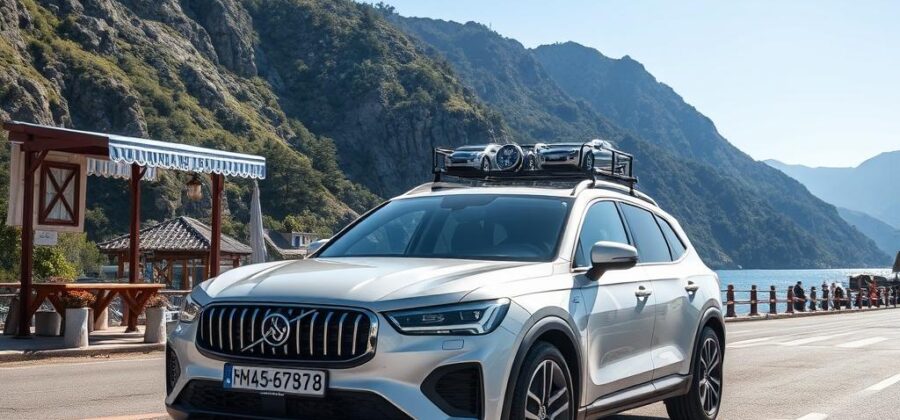
There’s something liberating about driving down an unfamiliar road with the map folded away and no timetable to follow. Renting a car abroad gives you the flexibility to veer off tourist routes, chase light for photographs, and discover small towns that tour buses skip. But freedom comes with responsibility: paperwork, unfamiliar rules, and the occasional surprise fee. This guide walks you through the planning, the pickup, the little details that make the trip smooth, and the things people usually forget until they’re stuck at a counter or on the roadside. For more information on car rental, visit https://hollywoodluxurycarrental.com/lander.
Before You Book: Planning and Research
Start with honest answers to a few questions: how many people are traveling, how much luggage, what roads will you drive (city, mountain, off-road), and whether you’ll cross borders. Once you know the basics, compare prices from multiple providers and use a few trusted comparison sites—but don’t let the lowest headline rate be the only deciding factor. Look at mileage limits, fuel policy, extra driver fees, and cancellation terms.
When to Book
Booking early generally secures a better rate and a wider choice of vehicles, especially in high season or for specialty cars. However, flexible cancellation policies can make last-minute deals appealing. If your dates are fixed, book sooner; if you can be flexible, monitor prices and lock in a good offer once you see one.
Pick-Up Location
Airport counters are convenient but often more expensive. Downtown offices sometimes waive airport surcharges and offer a broader fleet. If public transport can get you to a city office, you may save money, and the pickup process is usually calmer away from flights and queues.
Documentation and Eligibility
Car rental companies typically require a valid driver’s license, a credit card, and proof of identity. Some countries require an International Driving Permit (IDP) in addition to your home license—check official government or embassy websites before you go. If your license isn’t in the Roman alphabet, an IDP is often mandatory.
- Driver’s license: valid and not expired; some countries require the license to be held for at least one year.
- International Driving Permit: check local rules—sometimes required, sometimes recommended.
- Passport or national ID: needed for identity verification.
- Credit card: the cardholder usually must be present; debit cards are sometimes accepted but less common and often involve extra checks.
Insurance: Understand What You’re Buying
Insurance is where the fine print matters. Basic collision damage waiver (CDW) often has a large excess (your financial responsibility if the car is damaged). Theft protection and third-party liability may or may not be included. Rental companies will try to sell you top-up insurance that reduces or eliminates the excess, but independent travel insurance or credit-card benefits can sometimes cover the same ground.
How to Compare Coverages
Compare the excess amounts and check whether glass, tires, undercarriage, and roof damage are excluded. Read the exclusions: off-road driving, driving under the influence, and unauthorized drivers are common disqualifiers for claims. If you plan mountain driving, or using a ferry, mention it when booking—some policies exclude those scenarios.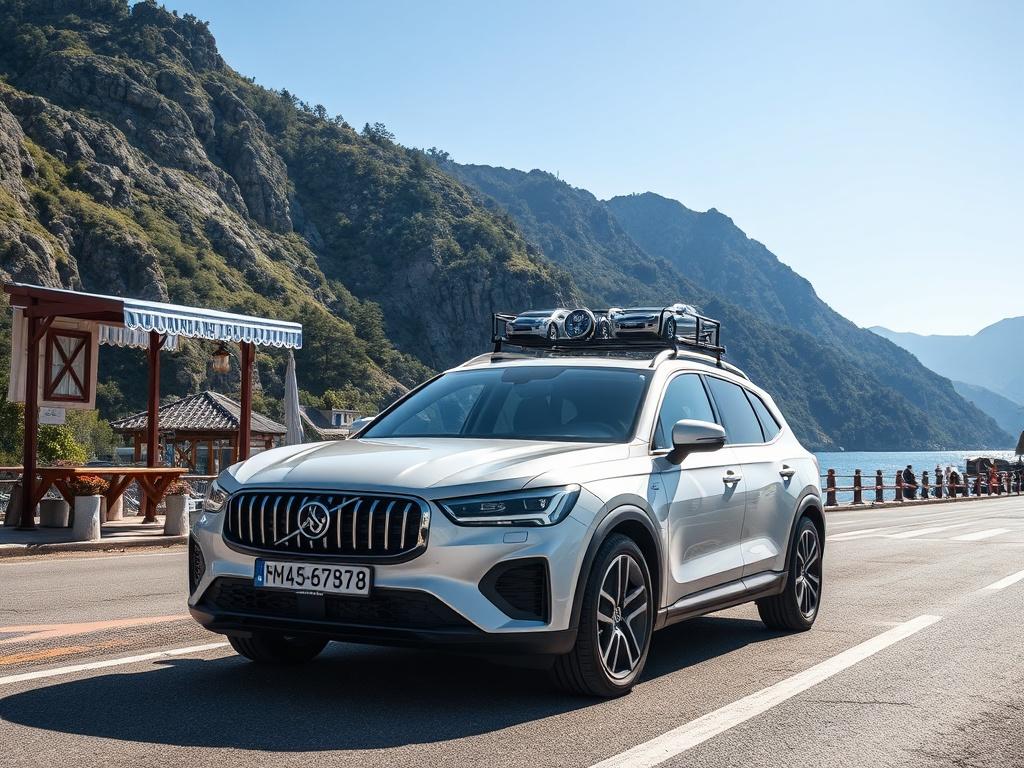
Choosing the Right Vehicle
Match the car to your trip. Small cars are economical in cities and narrow streets but struggle with luggage and long highway comfort. SUVs handle rougher roads and luggage but cost more in fuel and tolls. Consider diesel vs petrol vs hybrid/electric based on fuel availability and expected mileage.
Quick Comparison Table
| Type | Best For | Pros | Cons |
|---|---|---|---|
| Economy/Small | City explorers, narrow streets | Fuel-efficient, easy parking | Limited luggage and comfort |
| Compact/Family | Road trips for 2–4 people | Balanced comfort and economy | May struggle on rough terrain |
| SUV/Crossover | Mountain roads, bad weather | Good space and traction | Higher fuel & toll costs |
| Van/Minivan | Large groups and lots of luggage | Plenty of space | Fuel and city parking difficulties |
| Electric | Urban and planned routes with chargers | Quiet, cheap to run | Charging infrastructure and fees vary |
Extras and Add-Ons: Which Ones Matter?
Decide what you actually need. A GPS can be redundant if you use your phone with offline maps. Child seats are required in many countries—better to prebook them from the rental company than risk poor-quality local options. Toll transponders or prepaid vignette services save time at toll booths but check for handling fees. An additional driver fee is typical but sometimes waived for spouses or partners—ask.
- Child seats: prebook; check fitting standards.
- GPS vs smartphone: bring offline maps and a charger.
- Toll devices: convenient but often have service fees.
- Roadside assistance: worth it for remote driving.
Local Driving Rules and Road Culture
Every country has its quirks: roundabout etiquette, lane discipline, speed enforcement techniques, and local norms about flashing headlights. Research local speed limits, drink-driving laws, required equipment (reflective vests, warning triangles), and whether driving is on the left or right. A little preparation reduces stress and the chance of fines.
Where to Find Reliable Info
Government travel advisories, the rental company’s own guides, and reputable travel forums are good starting points. Official tourism websites and local automobile associations often publish clear lists of mandatory items and penalties.
Fuel and Tolls: Know the Policies
Fuel policies vary: full-to-full is the fairest—you pick the car up full and return it full. Prepaid fuel sounds convenient but can leave you paying for fuel you didn’t use. Check for hidden charges like refuelling service fees. For tolls, understand whether you’ll receive a paper invoice or be billed electronically via the rental company; the latter can include administrative surcharges.
Picking Up the Car: Inspection Checklist
Before you sign, do a detailed inspection and document everything. Take time—rental counters are busy and staff may rush you. Photograph all sides of the vehicle, close-up shots of any scratches, and mileage and fuel gauge readings. Have staff initial or sign any existing damage on the rental agreement.
Inspection Checklist (copy during pick-up)
- Photograph front, rear, both sides, roof, and wheels.
- Note existing dents, scratches, and interior stains.
- Confirm spare tire and toolkit presence.
- Test lights, indicators, horn, windows, and A/C/heater.
- Record current mileage and fuel level in writing or photo.
- Ensure agreement lists all drivers and their details.
Handling Breakdowns, Accidents, and Scams
If you have an accident, prioritize safety and contact local emergency services if needed. Notify the rental company immediately and follow their instructions for documentation. Keep a copy of the police report and photos. For scams—such as “new damage” found on return—your photos and the signed pickup sheet will be your best defense. If a rental company attempts to charge for pre-existing damage, escalate to the company’s customer service and, if necessary, dispute via the credit card provider.
Avoiding Common Scams
- Don’t accept last-minute “upgrades” or add-ons without reviewing charges.
- Refuse verbal-only damage claims—insist on documentation.
- Be wary of external vendors offering “cheap” insurance or repairs.
Electric Vehicles: Special Considerations
Electric rentals are increasingly common in cities and can be ideal for climate-conscious travelers—but they need planning. Check the car’s range, the type of charging port, and the availability of chargers along your route. Some rental companies provide charging cards; others expect you to pay per station. Charging etiquette and fees vary greatly, so factor in charging time and station reliability when deciding whether an EV suits your itinerary.
Returning the Car: Avoid Last-Minute Fees
Return on time. Late returns can trigger hefty daily rates. Cleanliness matters: extreme dirtiness or odors (cigarette, pet) can incur cleaning fees. If you agreed a full-to-full fuel policy, refuel close to the drop-off point and keep the receipt when possible. For airport drop-offs, allow extra time for shuttle transfers or busy return counters. Get a final invoice and keep it until your credit card statement clears.
Money-Saving Tips
A few practical habits reduce total cost without risking coverage. Decline unnecessary onboard extras you can easily supply (phone chargers, snacks). Compare policies before buying the rental company’s loss-reduction products; your travel insurance or credit card may already cover you. Renting in the city rather than at the airport often saves money. Book refundable rates when possible and use loyalty programs for upgrades and free days.
- Rent mid-week: prices and demand can be lower.
- Bring your own child seat and GPS when feasible.
- Compare total cost including tolls and insurance, not just the base rate.
Final Practical Notes
Keep emergency numbers handy, including local emergency services, the rental company’s 24/7 line, and your embassy. Pack a simple roadside kit: flashlight, jumper cables (or know how to call help), and basic first-aid. And build time into your itinerary for unexpected detours—half the joy of driving abroad is stumbling on a café, viewpoint, or market you never planned to find.
Useful Travel Checklist
- Confirm IDP requirements and get one if needed.
- Photograph pickup condition and save documentation.
- Note fuel policy and return with the agreed level.
- Prebook child seats and toll devices if required.
- Check insurance excess and add top-up only when necessary.
Conclusion
Renting a car abroad rewards planning. Do the homework—licenses, insurance, pick-up inspection—and the trip becomes about choices, not crises. Choose the vehicle that fits your route and luggage, read the fine print on fuel and tolls, document condition at pickup, and keep emergency contacts and receipts until the final bill clears. With a little caution and a sensible checklist, driving in another country turns from a risk into one of travel’s most memorable freedoms: you can stop when you want, explore where you want, and take home stories that don’t fit on a coach timetable.