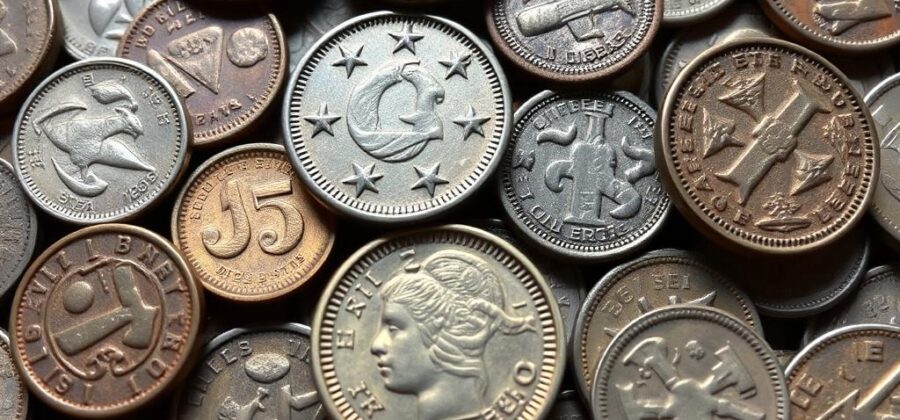
Finding an old coin in a drawer can feel like unearthing a small treasure. But is it genuinely valuable, or just sentimental? This guide walks you through the steps collectors use to determine a coin’s worth—without assuming you’re a professional. You’ll learn how to identify check coin value, assess condition, use simple tests for authenticity, research rarity and market demand, and decide whether to sell, certify, or keep your pieces. Read slowly, try the checks as you go, and you’ll come away with a clear, realistic idea of what your coins might be worth.
Why a coin’s value isn’t obvious
Coins look deceptively simple: round metal discs with numbers and portraits. Their value, however, is a blend of history, scarcity, condition, and buyer interest. Two coins of the same year can be worlds apart in price if one is worn and the other is well-preserved, or if one has a rare mint mark or die error. Melt value (metal content) sometimes sets a floor, but collector demand often drives prices much higher. Understanding these layers helps you avoid overpaying for grading or selling too cheaply.
Step 1 — Identify the coin correctly
Start with the basics: denomination, date, country, and any mint marks. These facts form the backbone of research.
- Use a good magnifier (5x–10x loupe) to read small mint marks and subtle details.
- Take careful photos from both sides under natural light; photos help when you consult online resources or dealers.
- Note any special features: double dies, repunched mint marks, unusual lettering, or error strikes.
Tools for identification
Simple tools make the process practical: a loupe, calipers, a jeweler’s scale, a soft brush, and a notebook. Don’t clean the coin—cleaning can destroy collector value. If you need to remove dirt from crevices, use a soft brush or distilled water and let it air dry.
Step 2 — Measure and test physical attributes
Weight, diameter, and metal composition are objective measures that quickly rule out fakes or identify modern counterfeits.
| Test | How to do it | What to look for |
|---|---|---|
| Weighing | Use a digital scale (0.01 g precision). | Compare to reference weight; major deviations indicate altered or counterfeit pieces. |
| Calipers | Measure diameter and thickness. | Match to published specs for the type and year. |
| Magnet test | See if a strong magnet attracts the coin. | Many true silver and gold coins are non-magnetic; attraction suggests base metal or plating. |
| Ring/tap test | Gently tap the coin on a hard surface or listen when tapped with another coin. | Precious metals have characteristic sounds; practice first with known samples. |
| Specific gravity | Advanced—measures density with a balance and water displacement. | Accurate method to detect plated fakes. |
Step 3 — Grade the coin (condition matters)
Condition influences value more than most hobbyists expect. Grading ranges from Poor (P-1) to Mint State (MS-70). Learn the major tiers, and use descriptive terms rather than assigning precise numerical grades unless you’ve practiced or are certified.
- Good to Very Good: heavy wear, design outlines still visible.
- Fine to Very Fine: moderate wear, major details clearer.
- Extremely Fine to About Uncirculated: light wear, most details sharp.
- Uncirculated/Mint State: no wear; marks may come only from handling.
Be realistic when self-grading. If you think the coin might be worth hundreds or more, consider professional grading. Slabs from PCGS or NGC often command higher prices because buyers trust those grades.
Step 4 — Research rarity and demand
After identifying and grading, find out how rare the coin is and whether collectors want it. These sources are essential:
- Standard catalogs: The Guide Book of United States Coins (Red Book) for U.S. coins; Krause catalogs for world coins.
- Online price databases: PCGS Price Guide, NGC Price Guide, Numismedia, and Auction archives.
- Completed sales on eBay (filter “Sold Items”) and auction houses for real-world realized prices.
- Specialist books or forums for era-specific information (e.g., Roman coin references, medieval specialists).
Remember: published prices are guides. Realized auction prices and recent sales tell you what buyers are actually paying now.
Step 5 — Determine monetary value: melt vs. numismatic
Think in two value categories. Melt value equals the metal content’s worth—relevant mainly for bullion coins or heavily worn pieces. Numismatic value covers collector interest, rarity, condition, and provenance. A common silver coin might be worth its melt value, while a rare mint error in high grade could be worth many times that.
| Value type | When it applies | Example factors |
|---|---|---|
| Melt value | Bullion coins, worn or damaged coins with low collector interest | Weight, metal purity, current metal spot price |
| Numismatic value | Collector coins, rare dates, varieties, high-grade specimens | Rarity, demand, grade, provenance, eye appeal |
Step 6 — Authenticate and consider certification
If you find something that might be valuable, authentication and third-party grading reduce risk. Major grading services (PCGS, NGC, ANACS) authenticate, grade, and encapsulate coins. Certification can boost sale price and widen the buyer pool, but it costs money and takes time.
- Send for grading when the coin’s potential market value significantly exceeds grading costs.
- Use reputable services—check turn-around times and fees up front.
- For extremely rare or expensive coins, consider multiple opinions or specialist dealers before sending.
Step 7 — Sell, consign, or hold: making the choice
Deciding what to do next depends on your goals. Are you liquidating inherited pieces, downsizing, or building a collection? Each route has pros and cons.
- Local dealers: quick and low effort, but you may not get top retail prices.
- Auction houses/consignment: good for high-value items; they take a commission but reach serious collectors.
- Online marketplaces (eBay, Heritage): wider exposure but requires good photos, descriptions, and shipping care.
- Private sale to collectors: can yield the best price if you find the right buyer; takes time and negotiation.
Always document provenance, keep high-quality photos, and if selling online, provide honest condition descriptions to avoid disputes.
Common pitfalls and how to avoid them
New collectors fall into predictable traps. Here are the most important to avoid.
- Never clean coins aggressively—cleaning often destroys patina and lowers value dramatically.
- Beware of electroplated or “improved” coins that mimic original silver or gold; specific gravity testing and weight checks catch many of these.
- Avoid paying “book value” blindly—retail prices are different from wholesale or auction prices.
- Don’t assume every old foreign coin is rare; many were minted in huge numbers.
Red flags of fakes and alterations
Look for inconsistent edge reeding, mismatched lettering, tool marks around dates or mint marks (suggesting altered dates), odd color that flakes off (plating), and weights that don’t match official specifications. When in doubt, seek an experienced dealer or send the coin to a grading service for authentication.
Storage, care, and record-keeping
Proper storage preserves value. Use inert holders (Mylar flips, hard plastic holders, or slabs for graded coins), and avoid PVC plastics that release chemicals. Store in a cool, dry place with stable humidity. For very valuable collections, a small safe or bank safety deposit box is sensible.
- Label each coin with basic information: type, date, mint, grade (if known), and purchase provenance.
- Keep digital photos and a simple inventory spreadsheet with estimated values and where each coin is stored.
- Review values periodically—markets change, and what’s obscure today might be sought after tomorrow.
Resources and references
These are reliable starting points for researching values and learning more:
- PCGS and NGC price guides and forums
- Red Book (Guide Book of United States Coins) for U.S. coins
- Krause catalogs for world coins
- Heritage Auctions and Stack’s Bowers archives for realized prices
- Online communities: CoinTalk, r/coins (Reddit), and specialized forums for ancient or world coins
Quick checklist: a practical step-by-step
| Step | Action |
|---|---|
| 1 | Identify denomination, date, and mint mark with a loupe and photos |
| 2 | Weigh and measure; run magnet and visual tests for obvious fakes |
| 3 | Assess condition and assign a descriptive grade |
| 4 | Research rarity and recent sales using catalogs and auction archives |
| 5 | Decide whether to certify based on potential value vs. grading cost |
| 6 | Choose a selling route or store properly if keeping |
| 7 | Keep clear records and photos for future reference |
Final practical tip
Start small and learn as you go. Handle coins gently, ask questions in community forums, and when you consult dealers, get multiple opinions if the piece seems valuable. Over time you’ll quickly spot the difference between a coin that’s merely old and one that’s historically important or financially valuable.
Conclusion
Checking the value of old coins combines careful observation, a few simple tests, sound research, and a dose of patience; identify and document the coin, verify weight and composition, assess condition realistically, consult catalogs and recent sales for market context, and use professional authentication when the potential value justifies it—avoid cleaning, keep good records, and choose a selling method that matches the coin’s worth and your goals, and you’ll make decisions that protect value and give you confidence.